Photo by Unsplash
Serving meals at an industrial level stands far apart from household cooking or small café operations. Factories, logistics hubs, corporate campuses, and large institutions rely on structured food programs that reach hundreds or thousands of people each day. These environments demand consistency, safety, cost awareness, and planning that align with demanding work schedules. A single misstep can disrupt productivity, morale, and trust. Understanding how large-scale meal operations function helps decision makers design dining programs that support workers and match organizational goals. The following sections explore key facts that shape industrial meal service, from workplace dining oversight to logistics, nutrition, compliance, and future direction.
Workplace Dining Oversight and Coordination
Workplace dining sits at the intersection of operations, human resources, and facility planning. Large organizations view food service as part of the employee experience rather than a side activity. Effective coordination links meal schedules with shift patterns, production cycles, and break policies. This approach reduces congestion and keeps workflows intact. The role of employee meal service management becomes clear as a structured system rather than a casual benefit, shaping how menus, service hours, staffing, and budgets align with workforce needs. Workplace dining management covers vendor selection, performance tracking, and communication with employees. Feedback loops help adjust menus and service styles without disrupting daily routines.
Scale, Volume, and Production Planning
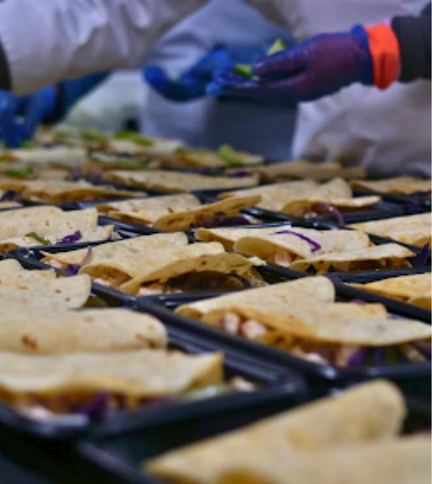
Industrial meal service revolves around volume. Kitchens may produce thousands of portions within limited time windows. Planning starts long before cooking begins. Forecasting meal counts relies on attendance data, seasonal patterns, and shift rotations. Errors in forecasting raise waste levels or leave workers without meals.
Production planning focuses on standardized recipes and batch cooking methods. These techniques support consistency across servings and service days. Equipment selection matters greatly. Tilt skillets, combi ovens, blast chillers, and automated dishwashing systems help manage scale without compromising food safety. Storage capacity for dry goods, chilled items, and frozen products shapes menu flexibility.
Nutrition, Variety, and Workforce Health
Large-scale meal programs influence daily eating habits for a significant population. Nutritional balance affects energy levels, alertness, and health. Industrial dining programs aim to serve meals that satisfy hunger and support physical demands linked to manual labor, technical work, or extended desk tasks.
Menu design balances calorie needs with macro and micronutrient targets. Rotating menus prevents monotony and reduces menu fatigue. Cultural diversity within the workforce shapes food preferences, requiring inclusive planning. Vegetarian, vegan, halal, kosher, and allergen-aware options form part of modern industrial dining expectations. Portion control matters as much as ingredient choice. Oversized servings raise costs and food waste. Undersized portions lead to dissatisfaction. Trained staff follow portion guides and presentation standards. Educational signage helps diners make informed choices without feeling restricted.
Photo by Unsplash
Operational Pillars of Industrial Meal Service
Running an industrial meal program relies on a set of operational pillars that guide daily actions and long-range planning. These pillars support stability and adaptability at scale.
- Food safety protocols covering temperature control, sanitation, and cross-contamination prevention
- Staff training programs focused on hygiene, equipment use, and service etiquette
- Cost monitoring systems track food spend, labor hours, and waste levels
- Technology tools for menu planning, inventory tracking, and demand forecasting
- Communication channels for feedback, announcements, and service updates
Each pillar reinforces the others. Strong safety practices protect health. Skilled staff maintain consistency. Financial tracking keeps programs sustainable. Technology supports visibility across operations. Open communication builds trust between diners and service teams.
Compliance, Safety, and Risk Management
Industrial food service operates within strict regulatory frameworks. Local health departments, labor authorities, and industry standards set requirements for food handling, worker safety, and facility design. Compliance protects both diners and operators from legal and reputational risk.
Food safety plans address hazard analysis, critical control points, and documentation. Regular inspections verify adherence. Staff certification programs validate knowledge in safe food handling. Personal protective equipment, ergonomic workstations, and clear workflows reduce injury risk within kitchens.
Risk management extends beyond hygiene. Allergen control plans protect sensitive individuals. Emergency preparedness covers power outages, water disruptions, and supply interruptions. Insurance coverage and incident reporting systems support rapid response when issues arise. A proactive stance toward risk builds resilience across operations.
Innovation and Future Direction in Industrial Dining
Industrial meal service continues to evolve alongside workforce expectations and technological progress. Digital ordering platforms reduce queues and support demand prediction. Cashless payment systems streamline transactions. Data analytics reveal consumption patterns and guide menu adjustments.
Sustainability influences purchasing and waste practices. Many programs focus on seasonal sourcing, reduced packaging, and food donation partnerships. Energy-efficient equipment lowers utility use. Waste tracking highlights opportunities for improvement without sacrificing service quality.
Serving meals at the industrial level blends logistics, nutrition, safety, and human experience into a single operation. When managed with clarity and foresight, it supports workers in tangible ways across demanding environments.