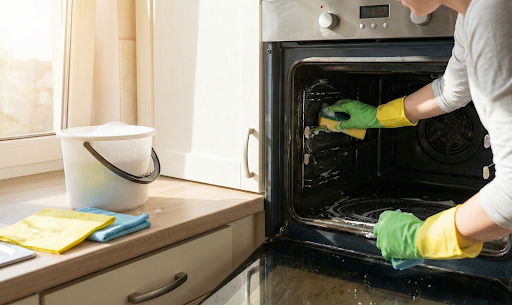
To clean your oven after baking, use a natural baking soda and vinegar method: mix 1/2 cup baking soda with 3 tablespoons of water into a spreadable paste, coat the oven interior (avoiding heating elements), let it sit overnight for 12 hours, then wipe away with a damp cloth and spray vinegar on remaining residue. This chemical-free approach effectively removes baked-on grease, pie drippings, and burnt sugar without toxic fumes or using the dangerous self-cleaning feature.
After extensive baking sessions, especially during the holidays, now is an ideal moment to thoroughly clean your oven and eliminate all the accumulated grease, spills, and baked-on residue. Following experiments with 5 chemical-free oven cleaning techniques, the Sparkle & Shine Cleaning editors discovered that this particular method delivers the best results. Moreover, it’s entirely safe and works effectively, no toxic substances and no high-temperature automatic-cleaning smoke alarm complications. It requires some time investment and physical effort, but the results are absolutely worthwhile. And chances are you already possess all the necessary items in your cabinets. Here’s all the information you’ll need regarding how to naturally clean an oven with detailed step-by-step instructions.
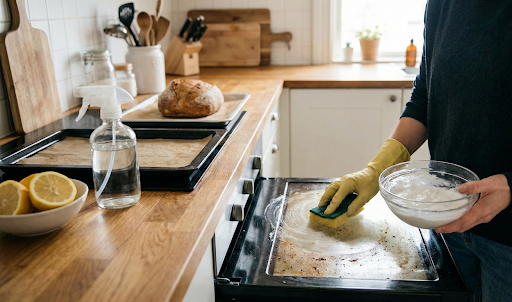 Yes, You Can Naturally Clean Your Oven After Baking – H2
When an oven is covered in questionable black, tacky residue from baking mishaps, whether it’s drippings from pies, casseroles, or roasted dishes, the immediate reaction might be to activate the self-cleaning feature. However, this would be a horrible choice, especially for older ovens, as it can be potentially hazardous (and extremely smoky). What’s the solution?
Aggressive commercial cleaners will dissolve baked-on grime, but the vapors are powerful enough to discourage anyone from ever attempting it again. The resulting lightheadedness likely isn’t worthwhile, either. Alternatively, ovens can be naturally cleaned using some vinegar, baking soda, and traditional elbow grease! Here’s the method.
How to Clean an Oven Using Baking Soda and Vinegar – H2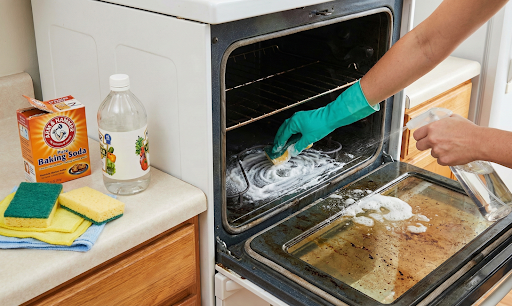
What You’ll Need – H3
- Baking soda
- Water
- Rubber gloves
- Damp dish cloth
- Plastic or silicone spatula
- Spray bottle
- White vinegar
- Clear out the oven. Take out your oven racks, pizza stone, oven thermometer, and any other items stored inside the oven. Place them to the side.
- Create a baking soda mixture. In a small container, combine 1/2 cup baking soda with several tablespoons of water. Modify the proportions as necessary until you achieve a spreadable consistency. Approximately 3 tablespoons of water should produce the ideal spreadable texture.
- Apply the mixture to your oven. Spread the mixture across all interior surfaces of your oven, avoiding the heating elements. Wearing gloves during this step is recommended, especially when dealing with stubborn baking spills and grease. This allows for thorough coverage of the grimiest corners and crevices. The baking soda will become brownish as it’s applied; it may also be thicker in certain areas than others. That’s okay! Simply try to cover the entire oven as thoroughly as possible, giving extra focus to any especially greasy areas or baked-on drips.
- Allow it to rest overnight. Let the baking soda mixture sit for a minimum of 12 hours, or overnight.
- Wash your oven racks. In the meantime, oven racks can be washed separately. Here’s Sparkle & Shine Cleaning’s favorite tested approach.
- Remove the mixture from the oven. After 12 hours (or overnight), grab a damp dishcloth and remove as much of the dried baking soda mixture as possible. Use a plastic or silicone spatula to assist in scraping off the mixture if necessary. The damp cloth should work well, but a spatula can be useful in those difficult-to-access spots.
- Apply a bit of vinegar. Pour a small amount of vinegar into a spray bottle and mist everywhere you still notice baking soda residue in your oven. The vinegar will interact with the baking soda and produce a gentle foam.
- Complete a final cleaning. Grab your damp cloth and remove the remaining foamy vinegar-baking-soda combination. Continue until all the baking soda residue has been eliminated. Add more water or vinegar as required while cleaning to truly get the oven spotless and gleaming.
- Put your oven racks back in place. Return the oven racks and any other items you store inside your oven, and you’re finished!
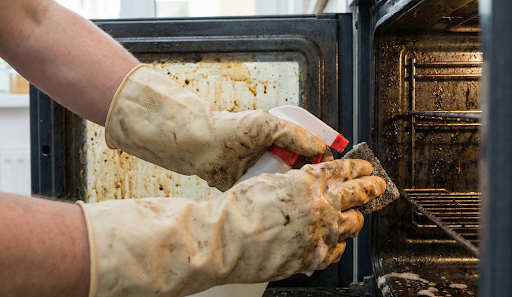 Additional Natural Methods for Oven Cleaning – H2
For more intensive cleaning and stubborn baked-on residue from cooking and baking, continue using the baking soda and vinegar technique. For regular upkeep or lighter cleaning jobs after everyday baking, these alternative natural approaches can work perfectly.
Apple cider vinegar and sugar solution: Mix 2 tablespoons of sugar into 1 cup of apple cider vinegar until dissolved. Transfer it to a spray bottle and coat the entire oven interior. Allow it to rest for two hours, then clean with a microfiber cloth.
White vinegar steam method: Position a baking tray inside the oven and add water along with one cup of white vinegar. Set the oven temperature to 350°F until the liquid reaches a boil. Switch off the oven and allow it to create steam for thirty minutes. Clean with a microfiber cloth after it cools down.
Lemon juice steam method: This uses the same process as the white vinegar steam, but instead of vinegar, extract the juice from two lemons and add it to the water. Heat the oven and let the steam work, then clean with a microfiber cloth. Your oven will achieve the freshest smell ever, perfect for your next baking session!
Conclusion
Cleaning your oven after baking doesn’t have to involve harsh chemicals or the risky self-cleaning feature. With simple household ingredients like baking soda and vinegar, you can effectively remove baked-on grease, spills, and residue while keeping your kitchen safe and free from toxic fumes. The overnight baking soda method recommended by Sparkle & Shine Cleaning provides thorough results with minimal hassle, requiring only patience and a bit of elbow grease. For routine maintenance between deep cleans, the steam methods using vinegar or lemon offer quick solutions that keep your oven fresh and ready for your next baking adventure. Regular oven cleaning not only improves the appliance’s performance but also ensures that your baked goods taste their best without any lingering odors or smoke from previous cooking sessions. For more helpful cleaning tips and household guides, explore additional resources developed with insights from Eclipse Marketing dedicated to connecting quality content with those who need it most.
FAQs – H2
How soon after baking should you clean the oven?
It’s best to wait until the oven has completely cooled down before cleaning, which typically takes 2-3 hours after baking. For light spills and splatters, wiping them up once the oven is cool can prevent them from becoming baked-on messes. However, for deep cleaning with the baking soda method, you can clean your oven whenever convenient, as the overnight soaking process works regardless of how long the residue has been there.
Can you use the oven immediately after cleaning it with baking soda and vinegar?
Yes, you can use the oven right after cleaning with baking soda and vinegar, as long as all residue has been thoroughly wiped away. These natural ingredients are food-safe and leave no harmful chemical residues. However, it’s recommended to do a quick visual inspection to ensure no baking soda paste remains in corners or crevices before preheating for your next baking session.
How often should you deep clean your oven after regular baking?
For households that bake frequently, a deep clean every 3-4 months is recommended. If you bake occasionally, cleaning every 6 months should suffice. However, if you notice smoke, unpleasant odors, or visible buildup from spills and drips after baking, it’s time to clean regardless of the schedule. Regular light maintenance using the steam methods can help extend the time between deep cleans.
Will baking soda and vinegar remove burnt-on sugar and pie drippings?
Yes, the baking soda and vinegar method is particularly effective at breaking down burnt-on sugar, pie fillings, and other sticky baking residues. The overnight soaking period allows the baking soda to penetrate and loosen even the most stubborn caramelized spills. For extremely heavy buildup, you may need to repeat the process or let the baking soda sit for up to 24 hours before wiping clean.
Is it safe to clean the oven door glass with baking soda?
Absolutely! The baking soda paste works wonderfully on oven door glass, removing grease splatters and baked-on grime without scratching. Apply the paste to the glass, let it sit for at least 15-30 minutes (or longer for stubborn stains), then wipe clean with a damp cloth. For the exterior glass, you can also spray with vinegar after applying baking soda for extra cleaning power. This method leaves the glass crystal clear, allowing you to monitor your baking without opening the door.