Welcome to the Cake Decorators Q&A

Why Is My Ganache Oily? How to Fix Split Ganache
Heated up my ganache for too long and now it’s split and gone oily 🙁 how can I save it???
CakeFlix Guidance
How to fix oily ganache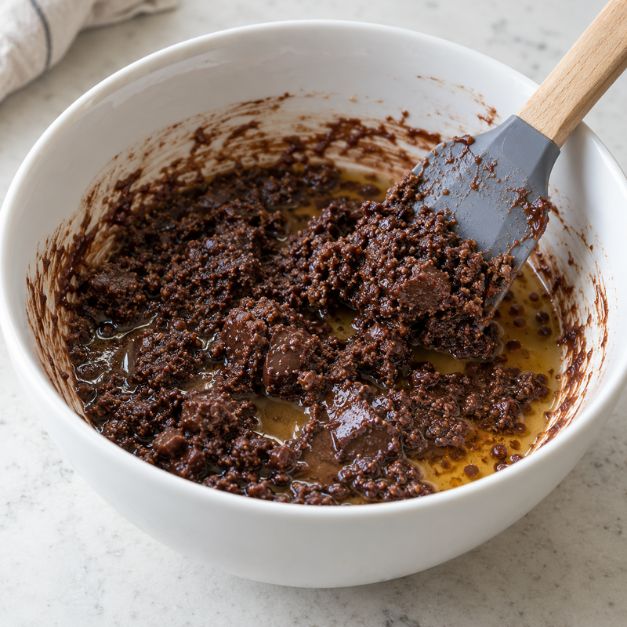 ?
Visible oil pooling around a grainy or separated mixture usually means your ganache has split. This can happen after overheating or when the balance of chocolate and liquid is unsuitable. A normal, even shine is different from separate droplets or puddles of fat.
Do not throw it away immediately. A split batch can often be brought back together, although badly scorched chocolate cannot be restored by repairing the texture.
How to fix oily ganache
Stop heating first. If the mixture is very hot, let it cool slightly before attempting a repair.
For a small test portion, try adding a teaspoon of warm drinking water and stirring thoroughly. Add further small amounts only as necessary, stopping when the mixture becomes smooth again.
The water should be warm, not boiling. Avoid pouring in a large quantity at once, as this can make the finished result too soft.
This method adds liquid without introducing more fat. Read King Arthur Baking’s explanation of how to fix broken ganache for the technique and its reasoning.
Can a hand blender help?
An immersion blender can help create a fine, even mixture. Use a suitable deep container and keep the blender head submerged to avoid incorporating unnecessary air.
Valrhona uses immersion blending in its professional ganache methods to refine the emulsion. Blending is a useful technique, but it does not remove the need for an appropriate recipe and temperature.
Avoid lifting the running blades through a warm mixture, which can cause splashes.
Should you drain off the oil?
Draining the oil is not our recommended first step. It removes part of the recipe rather than bringing the ingredients back together, making the final result less predictable.
Chilling may make the mixture appear firmer, but firmness alone does not demonstrate that the separation has been corrected.
Let your repaired sample settle and check its texture before treating the whole batch.
How do you rescue split white chocolate ganache?
Use particular care with white chocolate. Start with a recipe designed for the chocolate you are using rather than substituting it directly into a dark chocolate formula.
Professional recipes use different proportions and working temperatures for white, milk and dark varieties. There is no single temperature or ratio that suits every batch.
If it separates, avoid repeated strong heating. Try the repair on a small portion first and assess the cooled result before proceeding.
Can you use a rescued batch to cover a cake?
Possibly, but check how it sets before covering your cake.
Spread a small amount on a plate or spare cake board and allow it to reach the temperature at which you intend to work. Check that it:
- Spreads smoothly.
- Holds its shape sufficiently for the design.
- Does not release visible oil.
- Has the flavour and texture you need.
Adding liquid changes the original recipe. A successful repair may therefore suit a filling or sauce better than a firm coating beneath sugarpaste.
For an important order, allow time to remake the batch if the test is unsatisfactory.
How can you prevent it happening again?
Use a tested recipe and weigh the ingredients carefully. Note the chocolate brand and type so you can repeat a successful result.
When softening a chilled batch, use gentle heat and stir between short heating intervals. For the full method, read our guide to reheating ganache without overheating it.
Keep a brief record of any adjustments. Recording the recipe, chocolate and result is more useful than relying on memory when preparing the next cake.
Does repairing it change its storage life?
Restoring a smooth texture does not establish that a batch is safe to eat or extend its storage life.
Follow suitable guidance for the recipe and its handling history. If you have changed the ingredients, do not assume the original shelf life still applies.
For help checking your ingredients, read our guidance on double cream use-by dates.
Develop your cake decorating skills
Explore the CakeFlix Diploma for practical lessons on making and applying ganache, alongside baking, fillings and cake decorating techniques.
Our free cake calculators can also help you plan quantities before you start.
Need more Important Information on Baking and Cake Decorating?
Learning about how to make and store ganache is just one of 39 lessons covered in the CakeFlix Diploma, which, along with 1,800+ tutorials from 100+ of the world’s top cake artists, comes as part of your CakeFlix membership from only £5.17 a month (billed annually).

CakeFlix Diploma – Certified Learning

Can anyone say whether the warmed milk will reduce the shelf life of the ganache please? I’m conscious of not wanting to make anyone ill! Thank you!

Hi kimberley
The amount of warm milk used will not make anyone sick. If you are at all worried boil the milk first and cool it before using. Shelf life will not be affected.

This was my second time making ganache. The first time I used the microwave and it came out super runny and this time it was super oily!!!! I panicked and immediately thought I just wasted a huge amount of money until….I logged on and read this post! All of your suggestions were so helpful and I ended up putting it back on heat and adding warm skim milk and after about 1/4 of a cup it was perfect. I sadly didn’t take a before picture due to me almost growing the ganache out the window, but I got an after picture 🙂 thank you for all your help