Popular tutorials to watch NOW
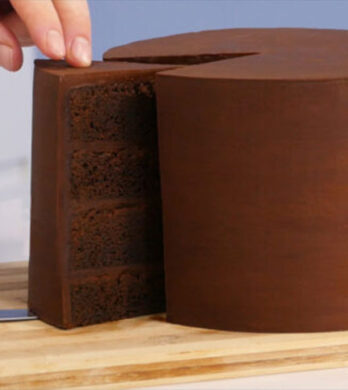




I seem to keep having this problem only with ganached covered cakes. Once covered in ganache I put my cake in the fridge for ganache to harden and I then leave cake and room temperature over night. When I cover the cake in sugarpaste as soon as put it on big bulges appear as I am smoothing my sugarpaste, trapped air in between the ganache and sugarpaste. This doesn’t happen with buttercream only when I use ganache. I’m using 1:1 ratio so say 300ml double cream to 300g 70% chocolate. It never seems to set hard enough. What am I doing wrong?
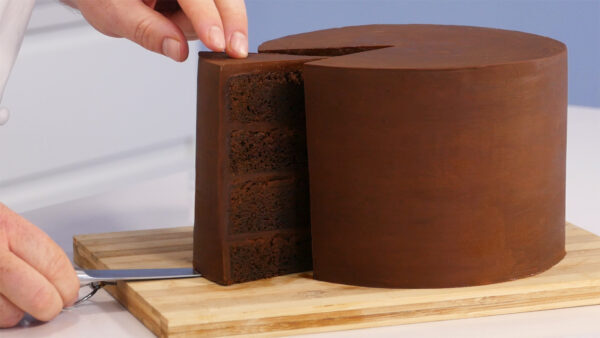
Ganache on CakeFlix Diploma
Covering a cake with ganache is a great way to achieve a smooth, firm finish before applying sugarpaste (fondant). However, if your ganache doesn’t set properly, or air becomes trapped between the ganache and sugarpaste, you can end up with frustrating bubbles and bulges.
The good news is that these problems are usually quite straightforward to fix. Getting the chocolate-to-cream ratio right and preparing the surface before covering your cake can make all the difference.
One of the most common reasons for soft ganache is using too much cream in relation to the chocolate.
In the original CakeFlix question, the member was using 300g of chocolate with 300ml of double cream, a 1:1 ratio. They later clarified that their chocolate contained 50% cocoa solids.
For this type of chocolate, a 2:1 chocolate-to-cream ratio is a better starting point when making ganache for covering cakes.
For example:
This produces a firmer ganache that is more suitable for creating a stable surface beneath sugarpaste.
Chocolate containing a higher percentage of cocoa solids may set more firmly with a greater proportion of cream, although results vary depending on the chocolate used.
For more information, see our CakeFlix guide to ganache quantities and ratios.
For a smooth finish, the ganache needs to be firm enough to support the sugarpaste while still allowing it to adhere properly.
1. Apply the ganache evenly
Spread your prepared ganache over the cake, filling any gaps and smoothing the sides and top. Aim for an even coating without leaving air pockets underneath.
2. Allow the ganache to set
Leave the ganached cake until the coating has become firm and stable. You can refrigerate it briefly if necessary, but avoid covering the cake while it is very cold or showing signs of condensation.
3. Make the surface slightly tacky
This is particularly important when covering a ganached cake with sugarpaste.
If the ganache has set completely dry, the sugarpaste may not adhere properly, allowing air pockets to develop.
Lightly brush the surface with a small amount of water using a pastry brush. You only need enough moisture to make the ganache slightly tacky, not wet.
4. Apply and smooth the sugarpaste
Carefully position the rolled sugarpaste over the cake, smoothing the top first and then working gradually down the sides.
Work gently to encourage trapped air to escape rather than sealing it beneath the covering.
Air bubbles can appear when the sugarpaste doesn’t adhere properly to the ganache beneath it.
If the ganache surface is too dry, small pockets of air can remain trapped as you smooth the sugarpaste. These may develop into visible bubbles or bulges.
The original CakeFlix advice recommends making the ganache slightly tacky before covering. This helps the sugarpaste adhere to the surface and reduces the likelihood of trapped air.
Other possible causes include:
If a small bubble does appear, it may be possible to release the trapped air carefully with a clean scriber or fine food-safe pin before smoothing again. However, prevention is always preferable.
The ideal chocolate-to-cream ratio depends on the type of chocolate you’re using, its cocoa content and how firm you need the ganache to set.
For covering a cake with ganache before applying sugarpaste, we recommend the following ratios as a starting point:
| Chocolate type | Chocolate-to-cream ratio |
|---|---|
| Dark chocolate | 2:1 |
| Milk chocolate | 3:1 |
| White chocolate | 3:1 |
For example, a 2:1 dark chocolate ganache uses 400g of chocolate and 200g of double cream.
These ratios are measured by weight and may need adjusting depending on the chocolate brand, cocoa percentage and room temperature. The aim is to achieve a ganache that spreads smoothly but sets firmly enough to support your sugarpaste covering.
For more detailed advice, including quantities for different cake sizes, read our CakeFlix guide to ganaching cakes.
If you’re new to making ganache, the BBC Good Food chocolate ganache recipe also provides a helpful introduction to preparing and combining chocolate and cream.
Getting the consistency right is one of the most important steps towards achieving a smooth, professional finish on your ganache-covered cake.
Refrigerating a ganached cake can help the coating firm up, particularly in a warm kitchen.
However, it’s important to consider condensation when removing the cake from the fridge.
Allow the surface to stabilise before applying sugarpaste, and avoid covering a cake with visible moisture droplets.
A firm ganache coating at a suitable working temperature is generally easier to cover than one that is excessively cold or still soft.
The key to successfully covering a cake with ganache is getting the preparation right.
Remember:
With a little practice, ganache can provide an excellent foundation for achieving the sharp edges and smooth finishes that make professionally decorated cakes look so impressive.
Learning about how to make and store ganache is just one of 39 lessons covered in the CakeFlix Diploma, which, along with 1,800+ tutorials from 100+ of the world’s top cake artists, comes as part of your CakeFlix membership from only £5.17 a month (billed annually).
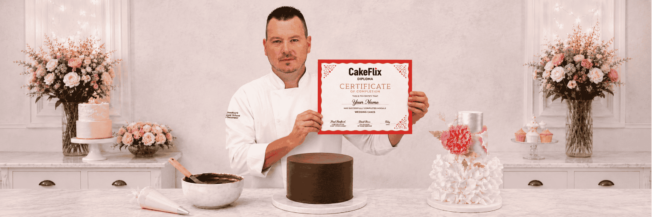
CakeFlix Diploma – Certified Learning

Hi gucci, here is a link to madeitwithlove’s excellent tips on ganache.
………… and gucci906 make sure the ganached cake is tacky before you apply the sugarpaste. If the surface is not not suffciently tacky the sugarpaste will not adhere causing air pocket to forms. These create bubbles and other horrid nuisances which, even when popping with a scriber, will continue to form else where. To make the ganached cake tacky brush the surface with some hot water or vodka just enough to make a tacky surface. Use a pastry brush and shake off excess water before brushing the cake. The 50% cocoa content chocolate does require a 2:1 ratio to enable the ganache to set. However, had you been using the 70% it would have set using 1:1 ratio as there is more cocoa in bitter chocolate, less sugars and other ingredients.
@ gina thank you so much for helping out, much appreciated xx