Popular tutorials to watch NOW






Hi All
I have one permanent problem with the density of my cakes , they always taste good , flavors are fine but they are always very dense (impossible to cut with plastic knife 🙁 ), that spoils everything . I use recipe similar to Mrs Jone’s cake, but they are not fluffy and soft like a birthday cake should be . Please tell me what I do wrong and any suggestion to how to avoid this in future
Thanks
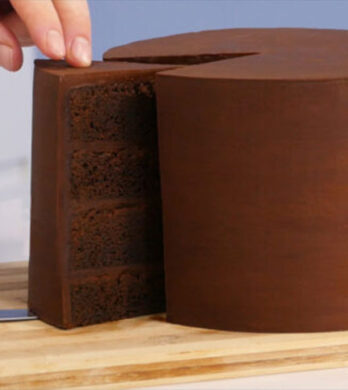
A dense cake isn’t always a baking mistake. Some cakes are deliberately made with a firmer, tighter crumb, particularly when they need to support decorations or be carved into shapes.
However, if you’re expecting a light, fluffy birthday cake and your sponge turns out heavy and compact, something may have gone wrong with the ingredients or mixing method.
The key is understanding what makes a cake dense and how to achieve the texture you actually want.
A dense cake has a close, compact crumb with fewer or smaller air pockets than a light sponge.
Some dense cakes are rich, moist and delicious. Others can be heavy, dry or rubbery because the batter hasn’t been prepared correctly.
For example:
The important difference is whether the dense texture is intentional.
Several factors influence how dense a cake becomes.
1. Not enough air incorporated during mixing
In a traditional creaming-method cake, beating the butter and sugar helps incorporate air into the mixture.
If the ingredients aren’t creamed sufficiently, the cake may have a tighter, heavier texture.
2. Overmixing after adding flour
Mixing flour with liquid develops gluten.
Too much mixing can produce a tougher texture, particularly in recipes designed for a light sponge.
3. Incorrect ingredient quantities
Too much flour, too little liquid or an incorrect balance of fat and sugar can affect the cake’s structure.
Weigh your ingredients carefully rather than estimating quantities.
4. Incorrect raising agents
Too little baking powder, expired raising agents or using the wrong type of flour can prevent a cake from rising as expected.
5. Butter at the wrong temperature
For recipes using the creaming method, butter should generally be softened but not melted.
Butter that’s too cold can be difficult to cream properly, while butter that’s overly warm may struggle to hold the air needed for a light texture.
If you deliberately want a denser cake for carving or decorating, the best approach is to choose a recipe designed to produce a firm, close crumb.
A Madeira cake, pound cake or suitable mud cake may be a better starting point than a very light sponge.
Avoid trying to make a light cake denser simply by overmixing the flour or removing raising agents. That can result in a tough or poorly baked cake rather than a pleasantly firm one.
For celebration cakes, you want a sponge that’s sturdy enough to support the decoration but still enjoyable to eat.
If your cake is turning out too dense, try these steps.
Remember that different cake recipes use different mixing methods. Always follow the instructions for the particular cake you’re making.
This was an important follow-up question in the original CakeFlix discussion.
For a traditional sponge made using the creaming method, butter should normally be softened rather than melted.
It should feel pliable when pressed but still hold its shape.
If the butter is too warm or melted, it may not trap air effectively during creaming, potentially producing a heavier cake.
However, some recipes deliberately use melted butter or oil. These can produce excellent cakes when the ingredients and method are designed for them.
A slightly firmer cake can be useful for carved celebration cakes because it may be easier to shape and handle.
However, density alone doesn’t determine whether a cake is suitable for decorating.
The recipe’s structure, moisture, filling and the way the cake is supported all matter.
A well-made Madeira cake or other sturdy sponge can provide a good balance between strength and eating quality.
If your sponge is unexpectedly heavy or rubbery, read our detailed guidance on why cakes become dense and rubbery.
For a broader look at baking problems, explore Baking the Perfect Cake: Why Things Go Wrong.
You can also use the CakeFlix Cake Calculators to adjust recipe quantities for different tin sizes.
For further information about the science of cake baking, see King Arthur Baking.
CakeFlix tip: A good cake doesn’t always have to be light and fluffy. The aim is to choose the right recipe for the texture and purpose you want, then follow the method carefully to achieve consistent results.
Learning about how to make and store ganache is just one of 39 lessons covered in the CakeFlix Diploma, which, along with 1,800+ tutorials from 100+ of the world’s top cake artists, comes as part of your CakeFlix membership from only £5.17 a month (billed annually).
CakeFlix Diploma – Certified Learning

Hi Neha28
Is it possible that you over mix your batter? Over mixing the batter releases glutens in the flour which makes for a dense compact crumb. Cream your butter and sugar for a good five to ten minutes, add eggs one at a time and again cream very well with the butter and sugar. Eggs which are not creamed really well will make your cake heavy and eggy because not enough air has been incorporated into the emulsion. Eggs not only help bind the cake batter but are also necessary for helping the cake rise and add extra fats. Your emulsion should be thick and creamy. Add sifted flour in two or three batches and gently but quickly fold in with a metal spoon, fill your tin and bake immediately. Have a look at this blog http://www.cakeflix.com/blog/baking-the-perfect-cake-why-things-go-wrong you might find some of the information useful. Let us all know how your net bake turns out, g’d luck with it.

Thanks so much madeitwithlove
, your blog is great and full of information , I guess I have faced all the problems given there in my baking experience .
I guess I should give more time creaming the egg – butter mixture . Please tell me when I add butter it should be completely melted or just soft
Thanks
Hi Neha
The butter should be at room temperature, take it out of the fridge about an hour or half an hour before you bake depending on how warm your kitchen is or, how warm the climate is. Butter should be cool so that when pressed, your fingers just leave a dent in it. When you cream the butter and sugar together with your hand mixer/stand mixer, the friction from the beaters will create heat and soften it.. If it is too soft at the start the heat from the beaters will melt it even more making your batter greasy, this will affect the quality of your cake. Some cake recipes such as Genoise will ask for melted butter, that’s fine because the method is different, so it is essential to follow what the recipe requires. Another tip Neha is for buttercream, keep your butter cool for that too so you can beat the butter and sugar for a long time to get it white, fluffy and smooth without making it greasy. We’re all learning something new every day from one another, not just in baking. Everyone is here to help you, and all things are better by understanding. xx