Tall & Tiered Sculpted Cakes The Big Question:
Is It Financially Worthwhile… or Just Showboating?
Whenever tall and tiered sculpted cakes come up, there’s often a quiet question sitting in the background:
Is this actually profitable, or are decorators just showing off?
It’s a fair challenge, and one worth unpacking honestly. Because while tall cakes can be visually spectacular, they also demand more time, materials, and technical skill. So the real answer sits somewhere between creativity and commercial reality.
Let’s explore the challenge with a few straight-talking Q&As.
Q: Are tall sculpted cakes genuinely profitable?
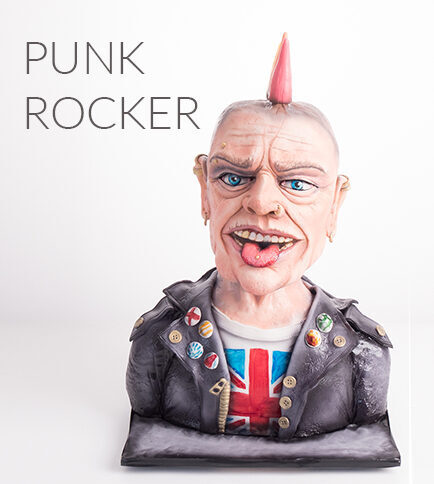
Punk Rocker Cake Tutorial
Short answer: Yes, but only when priced correctly.
Tall sculpted cakes carry higher costs. There’s no avoiding that.
They typically require:
- More cake and filling
- Extra boards and support systems
- Longer preparation time
- More design planning
- Increased transport considerations
- Higher skill levels
Where decorators get into trouble is when they price tall sculpted cakes like standard stacked cakes.
Profitability comes when:
- Time is costed realistically
- Structural materials are included in pricing
- Design complexity is factored in
- Risk and responsibility are recognised
A tall cake priced like a simple three-tier sponge will not give the creator the financial rewards that there business will need, and will serve to undermine self-worth. It becomes underpaid labour dressed up as art.
Q: Are some cake decorators just showboating?
Yes. And no.
There are certainly cases where cakes are built purely for attention, competitions, or social media buzz without financial return in mind.
But that doesn’t mean the trend itself lacks value.
In reality, tall sculpted cakes often serve different purposes:
Showcase cakes
Built to demonstrate skill, attract media attention, or win recognition or awards.
Portfolio builders
Designed to elevate perceived expertise and attract premium clients.
Client commissions
Created specifically for high-budget events where spectacle is expected.
Seen this way, what looks like showboating can actually be strategic marketing.
A dramatic cake on display today can lead to premium enquiries tomorrow.
Q: Do clients actually pay for tall cakes?
Yes. The right clients do.
Not every customer wants a towering sculpted centrepiece. But certain markets absolutely do.
Typical buyers include:
- Luxury weddings
- Corporate events
- High-profile celebrations
- Brand launches
- Styled shoots
- Milestone birthdays
These clients aren’t just buying cake. They’re buying impact. Their first thought is not the price, but how it will make them look and feel.
And impact has value.
Q: Is there a risk of doing too much for too little return?
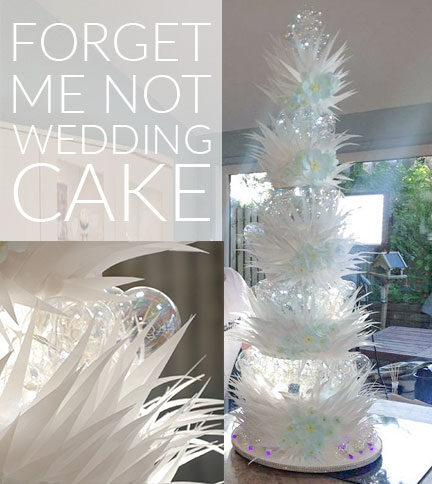
Cake Tutorial on CakeFlix
Absolutely. This is one of the biggest financial traps.
Tall cakes can quietly become profit killers if:
- Time is underestimated
- Structural materials aren’t charged
- Designs are accepted outside your comfort zone
- Delivery logistics are ignored
- Last-minute changes creep in
- Significant ingredient costs
Many decorators learn this lesson the hard way after their first ambitious build.
It looks profitable on paper. Until the hours add up.
Q: Can tall cakes improve overall business positioning?
Yes. In fact, this is where their biggest value often sits.
Even a handful of tall sculpted cakes in a portfolio can:
- Elevate brand perception
- Signal advanced skill level
- Attract higher-budget clients
- Justify premium pricing across the board
- Differentiate your business from competitors
Sometimes the financial gain isn’t just from one cake. It’s from what that cake unlocks next.
Q: What’s the hidden cost most decorators overlook?
Mental bandwidth.
Tall sculpted cakes demand:
- More concentration
- More planning
- More contingency thinking
- More stress management
That cognitive load has value too.
It’s not just flour and ganache being invested. It’s attention and responsibility.
And those should be reflected in pricing.
Q: When does it make financial sense to move into tall sculpted work?
It tends to make sense when:
- You already have strong stacking skills
- Your client base is requesting statement cakes
- You’re aiming to move into premium markets
- You want to position yourself as a specialist
- You have systems in place to track time and costs
Jumping in too early can feel exciting. But stepping in at the right time is what makes it sustainable.
Q: What’s a safer financial starting point?

Pricing With Confidence Tutorial
Not every tall cake needs to be extreme.
Many decorators begin profitably with:
- Double-barrel tiers
- Taller standard-tier cakes
- Subtle sculpted elements
- Mixed-height designs
- Controlled increases in complexity
This allows pricing models to evolve alongside skill levels.
Growth stays manageable.
Q: How do you avoid tall cakes becoming loss leaders?
Here’s where discipline matters.
Smart decorators:
- Track hours carefully
- Log every material cost
- Build contingency time into quotes
- Limit complexity until confident
- Price based on value, not fear of losing the order
Underpricing tall cakes rarely leads to more business. It usually leads to burnout.
Q: Is it worth doing tall cakes purely for visibility?
Sometimes. But only with intention.
Strategic showcase cakes can:
- Generate press coverage
- Boost social engagement
- Attract higher-value enquiries
- Open collaboration opportunities
But doing them constantly without return can drain resources fast.
A planned showcase cake once or twice a year makes sense. Doing them monthly without return usually doesn’t.
The Real Answer: It’s Not Showboating… It’s Positioning
Tall and tiered sculpted cakes sit at the intersection of creativity and commerce.
Done without planning, they can feel like showboating.
Done strategically, they become business assets.
The difference lies in:
- Pricing discipline
- Market awareness
- Skill readiness
- Intentional portfolio building
Tall cakes aren’t just about height. They’re about elevation. Of skill, confidence, and brand positioning.
And when those elements align, the wow factor becomes more than spectacle.
It becomes profitable.