Popular tutorials to watch NOW
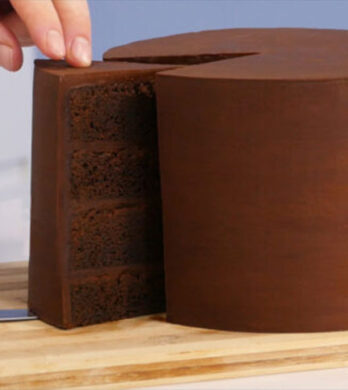






Hi, I’m new to cake decorating and I’m looking for some advice.
I use a Victoria sponge recipe filled with jam and buttercream and use buttercream as a crumb coat under sugarpaste.
I crumb coat and then leave to chill for short time until its ‘crusted’ and set then ice.
However, when I have made my buttercream using soft baking margarine (stork) I find that once I’ve iced the cake there is a bulge obvious in the middle of the cake the next day. I have made the buttercream with full butter in which the bulging didn’t happen (did everything else the same including how it was applied).
One of the people I make the cakes for much prefers the stork buttercream as they are not as keen on the taste and texture of the full butter.
How can I use the buttercream they like without getting the bulging?
Many Thanks
Yes, you can use Stork for buttercream, and it can produce a lovely, smooth icing for cakes and cupcakes. However, there are a few things to consider, particularly if you’re using Stork buttercream as a filling or crumb coat beneath sugarpaste (fondant).
One of our CakeFlix members found that buttercream made with Stork baking spread tasted great, but caused a noticeable bulge around the middle of a decorated cake the following day.
So why does this happen, and how can you prevent it?
Stork baking spread contains vegetable fats and water, and generally remains softer than traditional butter when used in buttercream.
This softer consistency can be ideal for spreading and piping, but it may not provide enough support between cake layers, particularly when the cake is covered with sugarpaste.
As the weight of the upper cake layers and sugarpaste presses down, a soft filling can move outwards, creating a visible bulge around the middle of the cake.
Chilling the cake helps the buttercream firm up temporarily, but the filling may soften again as the cake returns to room temperature.
If you prefer the taste of buttercream made with Stork, there are several ways to improve its stability.
1. Use less Stork and more icing sugar
A firmer buttercream can be achieved by adjusting the ratio of fat to icing sugar.
Start with a suitable recipe and gradually increase the icing sugar until the buttercream is firm enough to hold its shape. Be aware that adding more icing sugar will also make the filling sweeter.
2. Try Stork baking block
Stork is available in different forms, including baking spread and baking block.
The block may be worth experimenting with if you need a firmer buttercream, although the results will depend on the recipe and room temperature.
3. Add white chocolate
Adding cooled, melted white chocolate can help give buttercream additional structure once the chocolate sets.
Use a recipe designed for white chocolate buttercream, as the amount required will depend on the type of margarine or baking spread being used.
4. Create a firm buttercream dam
One of the most effective ways to prevent filling from bulging is to pipe a ring of stiff buttercream around the outside edge of each cake layer.
This creates a barrier that helps hold softer fillings in place.
Keep the filling within the dam, avoid overfilling the layers and allow the assembled cake time to settle before applying the final covering.
Yes, but the results may be different.
Traditional buttercream made with butter generally firms up more when chilled, while buttercream made with softer baking spreads may remain more pliable.
If you’re decorating cupcakes or making a simple sponge cake, Stork buttercream can work very well.
However, for a celebration cake covered in sugarpaste, it’s important to consider the stability of the filling as well as its flavour.
The official Stork baking FAQs also confirm that Stork can be used to make butter icing and provide a simple recipe using Stork baking block and icing sugar.
Whether you’re using butter or margarine, these simple techniques can help:
Remember that chilling alone will not permanently fix an unstable filling.
Buttercream is one of the most useful skills to master when decorating cakes, whether you’re filling a Victoria sponge, crumb coating a celebration cake or creating beautiful piped decorations.
At CakeFlix, Paul Bradford shares practical cake decorating techniques to help you achieve smoother finishes and more professional results.
Explore our buttercream cake decorating lessons for more guidance on preparing and using buttercream.
If your customer loves the taste of Stork buttercream, there’s no need to abandon it completely.
Experiment with a firmer recipe, avoid overfilling your cakes and use a buttercream dam to provide extra support.
With a little adjustment, you may be able to keep the flavour your customer enjoys while reducing the risk of unsightly bulging beneath the sugarpaste.
Learning about how to make and store ganache is just one of 39 lessons covered in the CakeFlix Diploma, which, along with 1,800+ tutorials from 100+ of the world’s top cake artists, comes as part of your CakeFlix membership from only £5.17 a month (billed annually).

CakeFlix Diploma – Certified Learning

Hi j3nh
Stork margarine doesn’t set hard like butter does and that’s the one of the reasons. Because the filling is so very soft the weight of the icing squishes it out of the sides making a bulge. What you could do is make a stiffer buttercream using less margarine and more icing sugar or you could add some melted white chocolate to buttercream. Meringue powder also helps to give structure to buttercream so you could try that too, Add a tablespoon of merigue powder to the buttercream while beating. For the white chocolate buttercream look online for recipes which use margarine. You’ll need to use a little more chocolate with margarine buttercream.
Another good thing to do is to make a stiff butter cream dam all the way round your cake layer deep enough to hold the filling in without spilling out.
Paul has a whole section on buttercream, you’ll find it here:
http://www.cakeflix.com/free-cake-decorating-courses/using-buttercream-overview
Hope this helps. If you need any more help or informations just post again.