Popular tutorials to watch NOW



Hi, why does my cake have bubbles on top of my cakes during baking. I never use to have this problem but the last few cakes i have done this has happened and i cant work out what i am doing different. Does anyone have any idea what i might be doing to make this keep happening? Could i be over mixing?
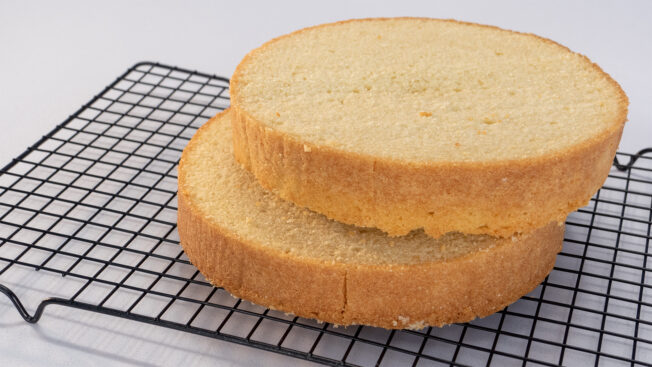
Bake the Perfect Cake Diploma
A few small bubbles on your cake while baking can be normal. Air incorporated during mixing, gases released by raising agents and steam all contribute to the rise. Some bubbles reach the surface before the mixture sets.
At CakeFlix, our first suggestion is to look at the finished sponge before changing your recipe. A few surface marks with an otherwise light, even crumb are different from large holes, a sunken centre or a greasy, bubbling mixture.
Yes, mixing can contribute, but bubbles alone do not prove that you have overmixed.
Excessive beating after adding flour can develop too much gluten, giving a tougher crumb and sometimes tunnels through the sponge. However, insufficient mixing can also cause problems.
Follow your recipe’s method and mixing speeds. Scrape down the bowl so everything combines evenly, rather than giving the mixture extra beating “just in case”.
Sugar producer Redpath’s cake troubleshooting guide explains how mixing and raising agents can contribute to large holes.
Check your raising agents first. Have you used self-raising flour where the recipe asked for plain flour, then added extra baking powder? Some tested recipes deliberately combine both, so follow the stated quantities rather than removing anything automatically.
Measure accurately and distribute dry ingredients evenly. Check your sugar, too: coarse crystals may not incorporate as readily during creaming. Our guides explain what caster sugar is and what you can substitute for it.
For an ordinary butter-based sponge, one or two gentle taps can help release larger trapped air pockets. Smooth the surface and bake promptly.
Avoid vigorous banging, especially with delicate whisked sponges that depend on the air you have carefully incorporated. The aim is to remove large pockets, not knock out all the air.
Oven temperature affects when the cake’s structure sets. Preheat fully and use the correct fan or conventional temperature. Our oven settings guide explains the difference.
Tin size and batter depth matter too. Read our advice on baking in one tin instead of two.
Change one thing at a time and keep a short baking note. If you ask us for help, include your recipe, tin size, oven setting and a photograph of the cut sponge.
For structured help building your confidence, explore the CakeFlix Diploma.
Learning about how to make and store ganache is just one of 39 lessons covered in the CakeFlix Diploma, which, along with 1,800+ tutorials from 100+ of the world’s top cake artists, comes as part of your CakeFlix membership from only £5.17 a month (billed annually).
CakeFlix Diploma – Certified Learning

Hi jony
I think all you’re seeing is the leavening doing it’s job. Some times small bubbles do appear on the surface of the batter. Try tapping the tins two or three times on the work top to disperse any air bubbles in the batter before placing in the oven. Folding in the flour in three stages rather than mixing also prevents too many air bubbles. Hope it helps.